DCA group
A DCA group is a control fader on a digital mixer that moves the level of several channels at once without rerouting their audio anywhere.
What a DCA is
The abbreviation stands for digitally controlled amplifier. On analogue desks the same idea was called a VCA. A DCA is a fader with no audio of its own. You assign a group of channels to it, say all the drums, and moving the DCA fader changes the level of all those channels at once while their balance stays the same.
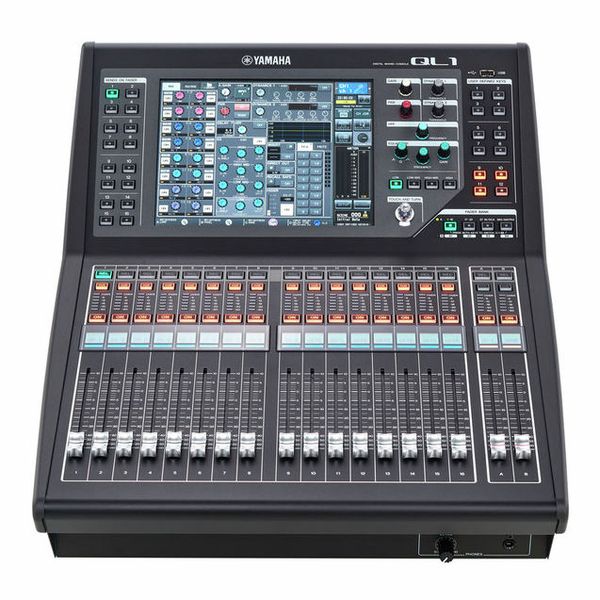
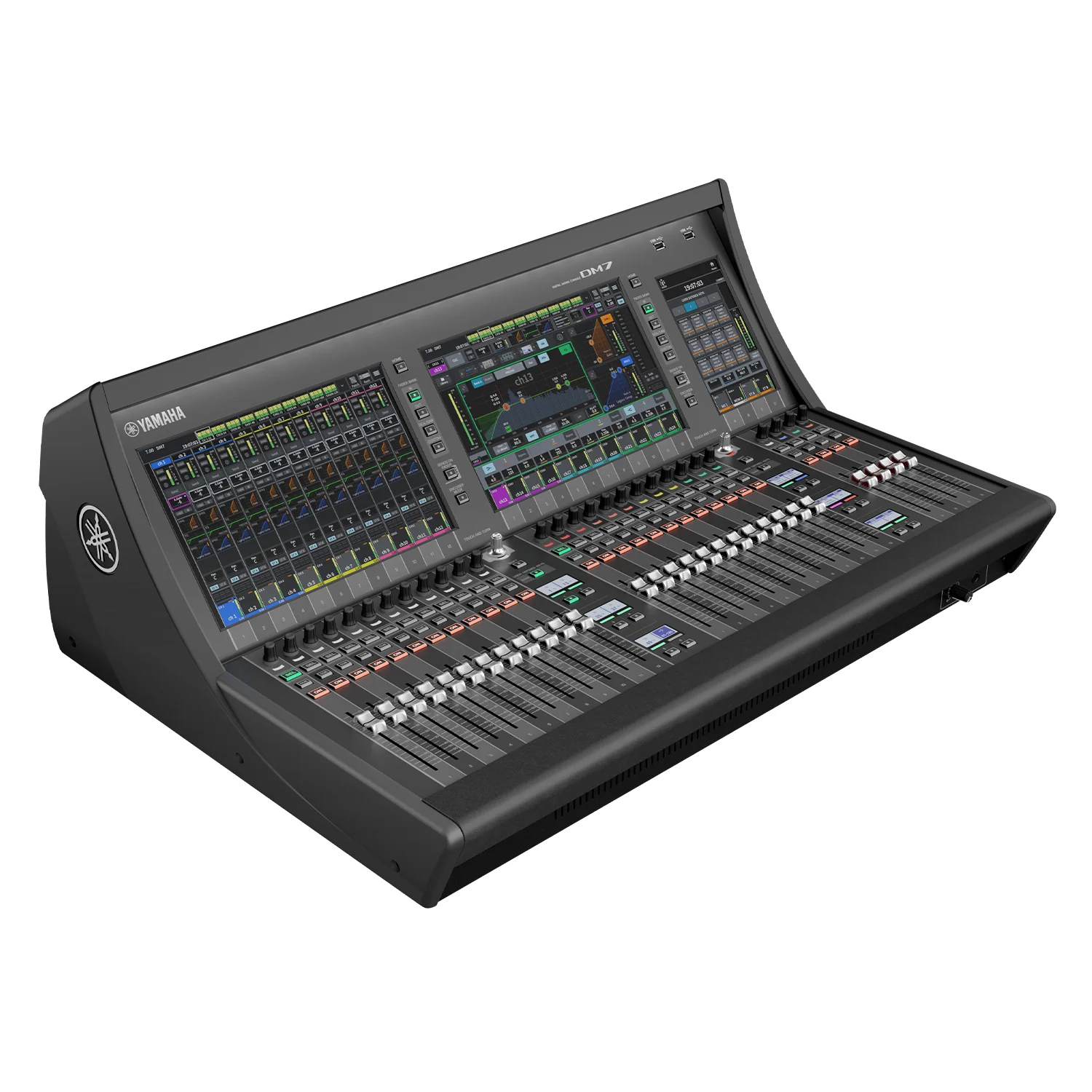
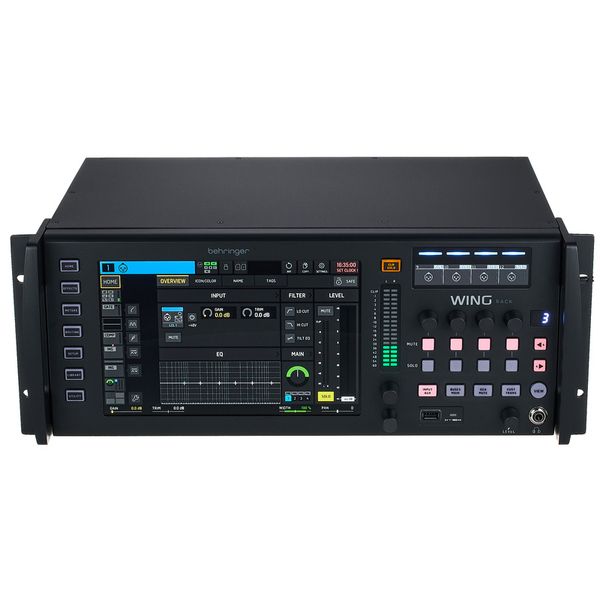
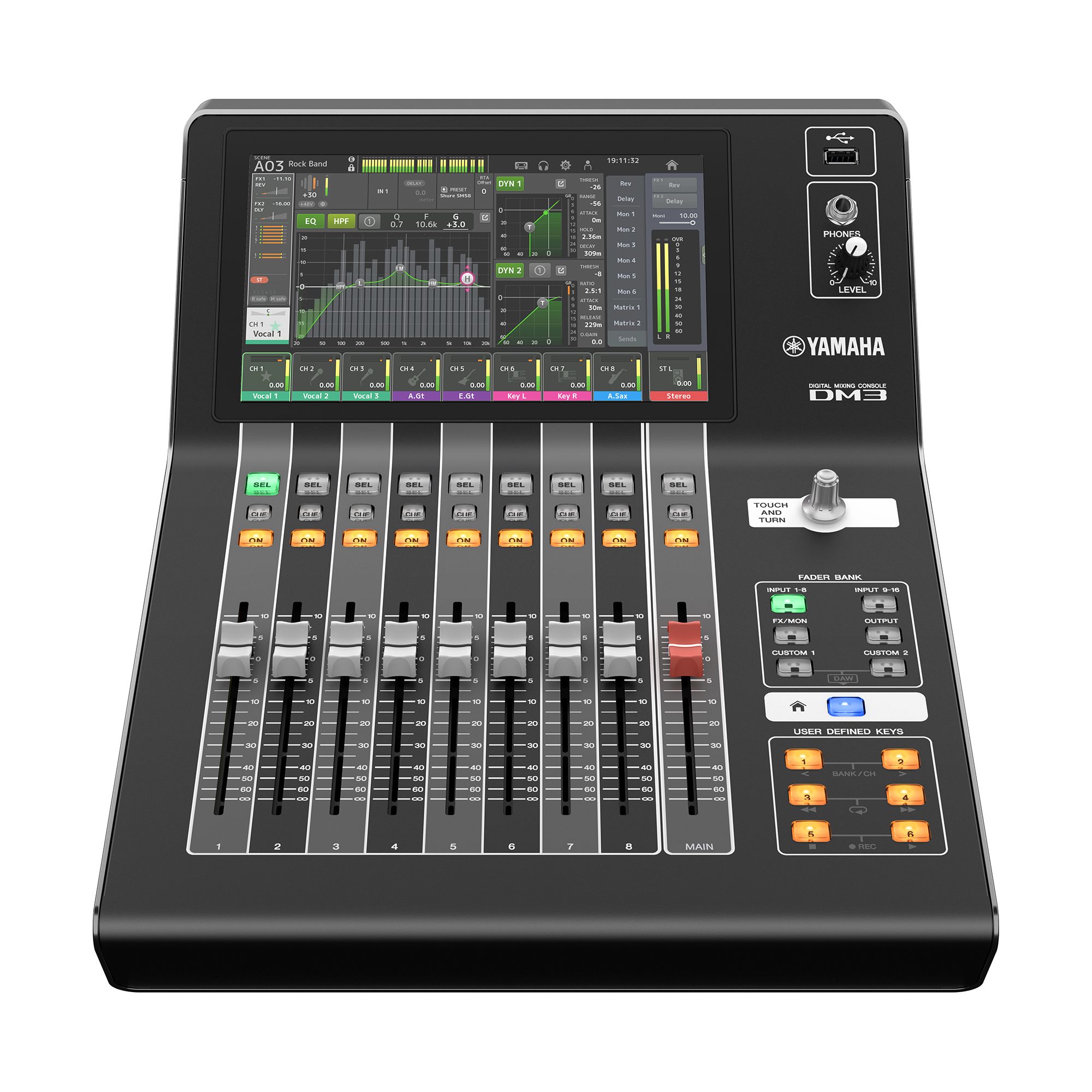
No audio flows through the DCA. Every channel still goes straight to the main mix and its aux sends; the DCA only offsets what their faders do. DCAs are found, for example, on the Yamaha QL1, the DM7 and the Behringer Wing Rack.
How a DCA differs from a subgroup
A subgroup is a bus where the channels' audio is actually summed. You can process it with one compressor or EQ, and it uses up an output bus. A DCA processes nothing and takes no bus, but it does change the channels' post-fader sends, such as the reverb level, which a subgroup would leave unchanged.
Live sound uses DCAs more often, because they are simple and do not use outputs that the monitors need.
How to lay out DCAs for an event
Think about which channels you want to move together. At a concert you might have separate DCAs for drums, bass and guitars, keys, vocals and effects. At a conference or gala it makes sense to put the panel microphones on one DCA, the audience question mics on another and the background music on a third. The engineer can then mute every panel mic with one move when a video starts.
Name each DCA clearly, such as DRUMS or PANEL. When several people take turns at the desk, nobody has to relearn every channel. DCA assignments are stored with the scene.
Common mistakes
The most confusing situation is a channel assigned to a DCA whose fader is down. The channel fader is up, the channel is not muted, but there is no sound. Always check the DCAs when a channel is silent. Another mistake is assigning a channel to two DCAs by accident, so both change its level. A third is expecting a DCA to turn down a pre-fader monitor; it does not, the monitors stay the same.