Turntable
A turntable plays vinyl records: the platter spins, the stylus reads the groove and the cartridge turns it into a weak electrical signal that needs a phono input.
What a turntable is
A turntable spins a vinyl record at a steady speed while the stylus in the tonearm follows the record's spiral groove. The wiggles in the groove make the stylus vibrate and the cartridge turns that vibration into an electrical signal. The signal is very weak and its frequency balance is uneven, so the turntable plugs into the phono input of a DJ mixer, which amplifies and corrects it.
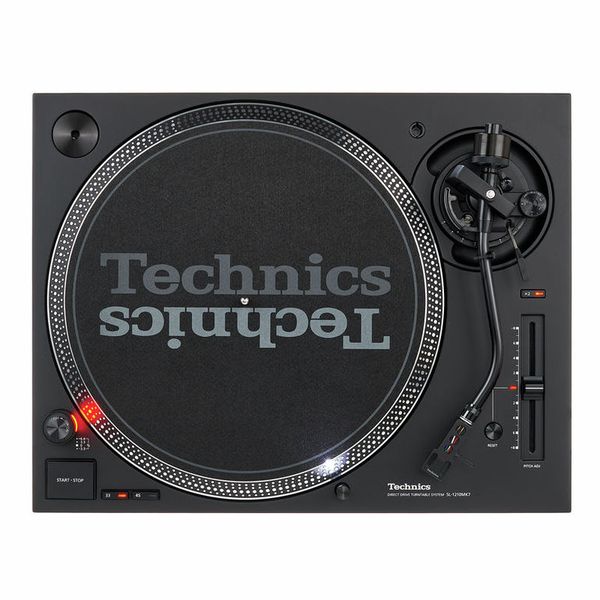
A DJ turntable differs from a home one in that it survives being stopped by hand, spun back and scratched. The Technics SL-1210MK7 is a direct-drive DJ turntable: the motor sits right under the platter, giving fast start-up and stable rotation even when the DJ holds the record.
Cartridge and stylus
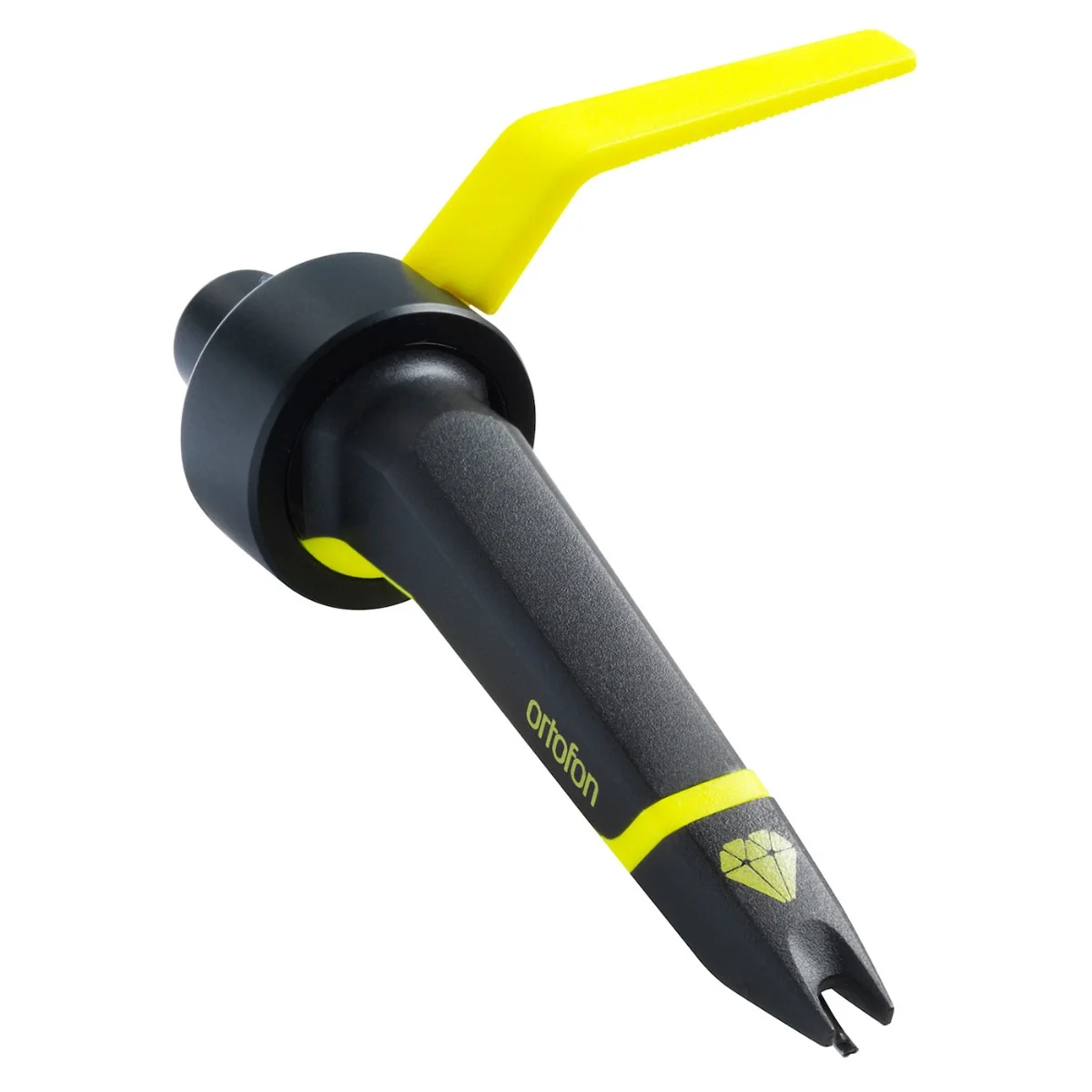
The cartridge and stylus are the most delicate part of the turntable. DJ use calls for sturdier cartridges that stay in the groove when the record is moved by hand. The Ortofon Concorde Club MKII is a DJ cartridge system with cartridge and stylus in one body that fits straight onto the end of the tonearm, so it is easy to swap.
Set the tonearm counterweight and anti-skate according to the cartridge maker's instructions. Too light a setting makes the stylus skip; too heavy wears records and stylus.
Connection and setup
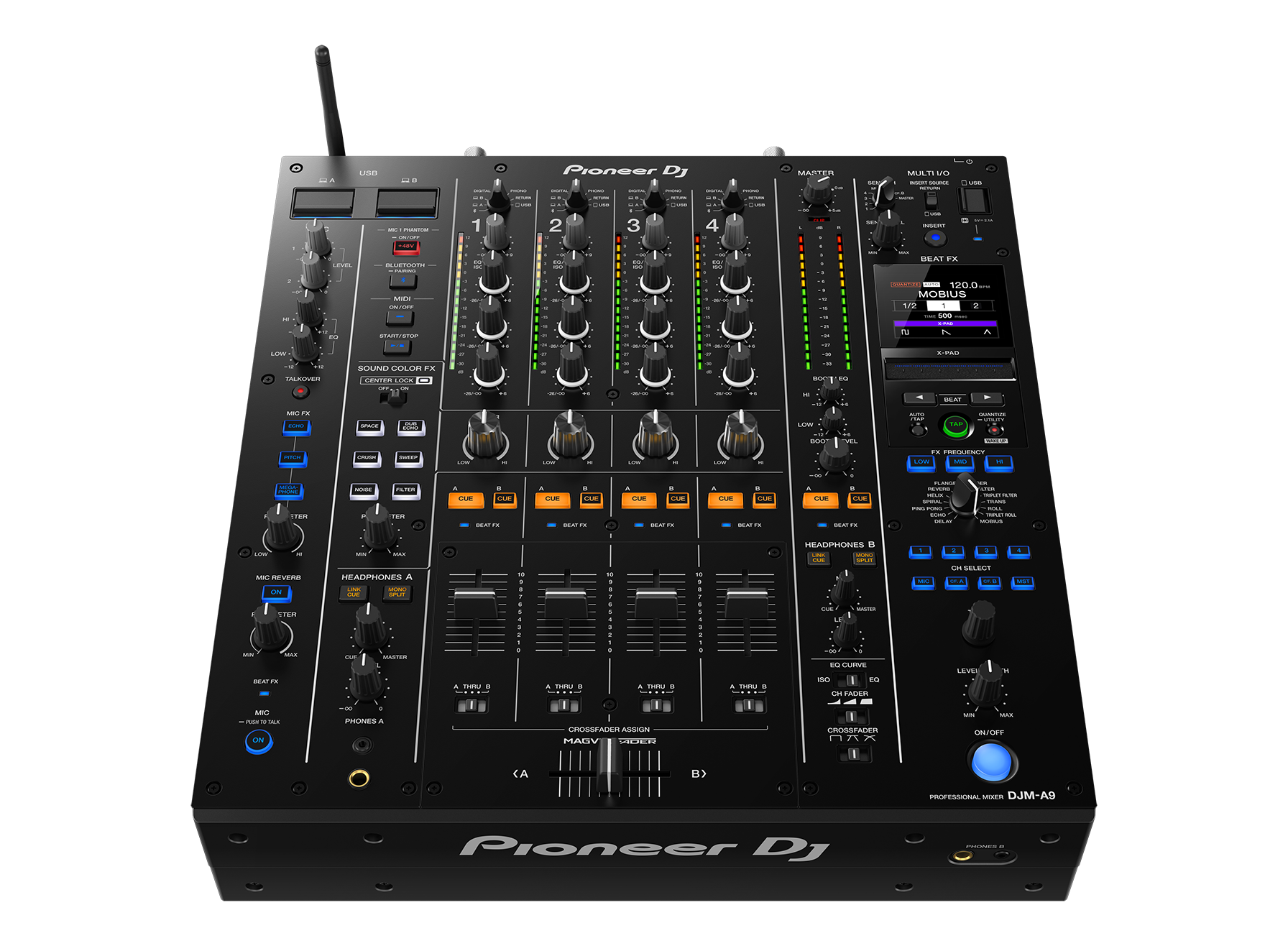
A turntable has an RCA output and a separate ground wire. The ground wire goes to the DJ mixer's ground terminal, otherwise the speakers hum. The “DJ vinyl kit” is put together so that two Technics SL-1210MK7 turntables connect to the Pioneer DJM-A9 mixer.
Turntables are sensitive to vibration. Bass that shakes the table or the floor reaches the stylus, gets amplified again and can cause a low, booming feedback. Details of setup and vibration control are in the vinyl DJ guide.
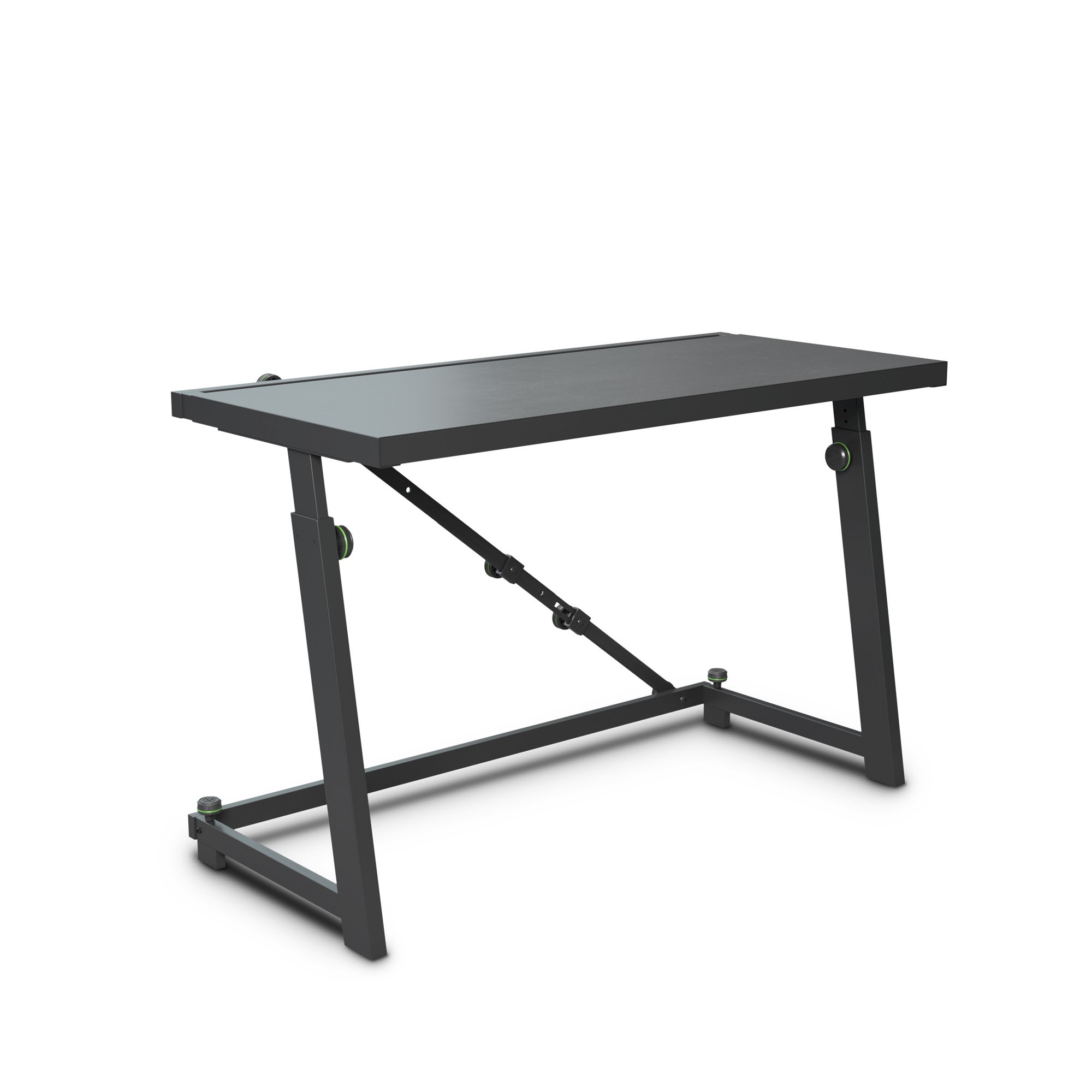
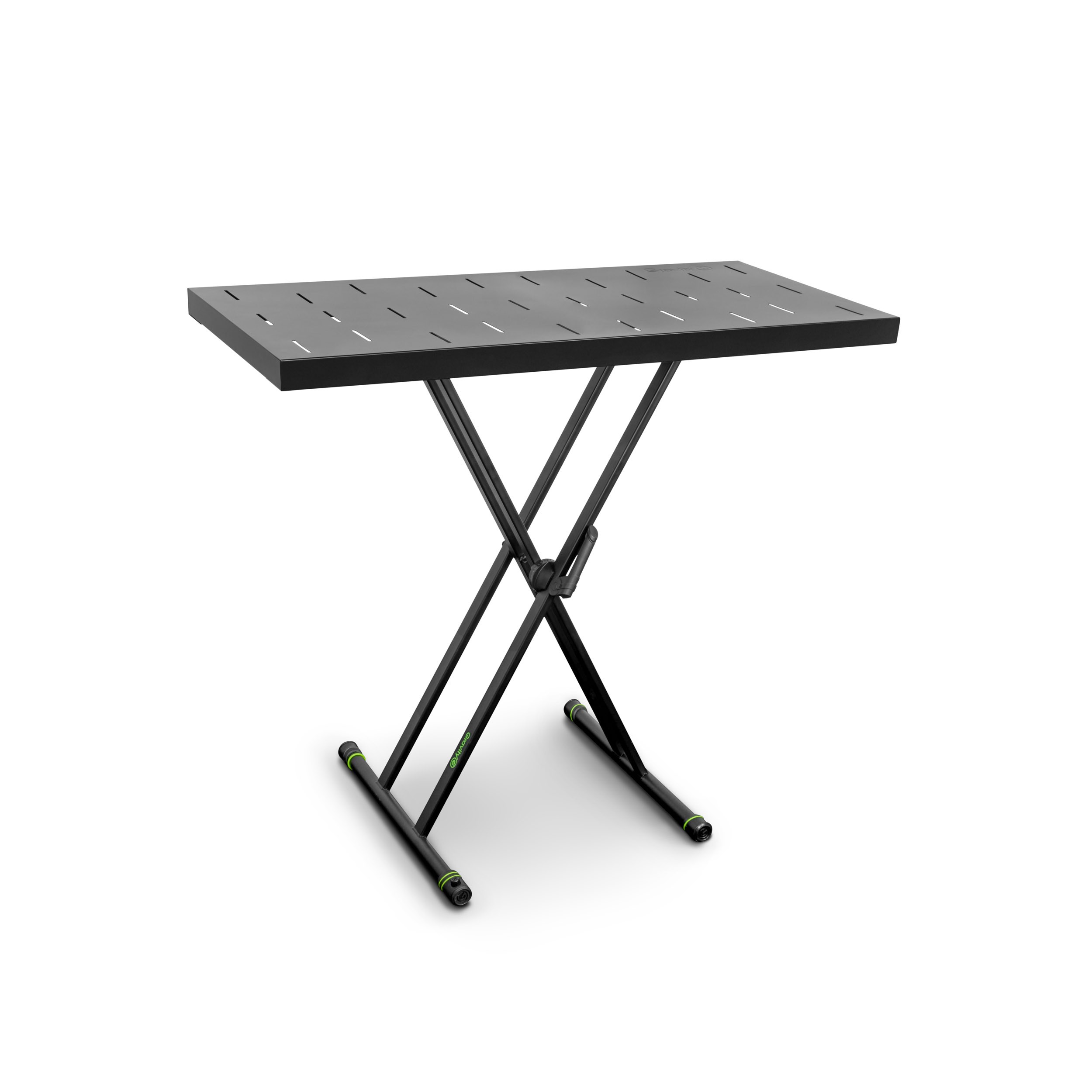
- The table must be solid and level, such as the Gravity FT 01 DJ table.
- Subwoofers must not stand on the same stage or table as the turntables.
- Aim the booth monitor at the DJ, not at the turntables.
Common mistakes
Vinyl problems almost always start with the setup, not with the turntable itself.
- The turntable goes into a line input and the sound is quiet and thin.
- The ground wire is left off and the speakers hum.
- The table wobbles and the stylus skips when dancers stamp on the stage floor.
- Someone touches the stylus with a finger or cleans it the wrong way and breaks it.